

Why Study in Nepal?
Nepal provides a great chance to experience the beauty of the country, its culture, and an affordable education system, and study there. Nepal is also becoming a favorite among international students, particularly in disciplines such as medicine, engineering, and business. It has become a destination for many because of the increasing fame of its universities, affordable living standards, and the variety of programs offered.
Some of the best universities in Nepal are spearheading the new education system in the world. It is a destination of learning institutes, amazing infrastructure, and inexpensive tuition as well. Nepal is also reputed to have engineering, science, and medicine courses. A large number of international students, including Indian students, come into this country because it is cheap in cost, has the best universities, and also has a good market that people can work in. The universities of Nepal have increased the number of courses to be studied in Nepal for international students. It has also provided research and high-tech facilities in order to attract a large foreign student population. It has been rated as one of the best countries to pursue medicine and other courses.
Intakes in Nepal
Nepal has a variety of intakes of international students. The most usual ones are Fall, Winter, and Spring intakes.
Spring Intake
The Spring Intake is usually in February or March. It suits students who are seeking to join Bachelor and Master’s Courses. The best universities to undergo this intake are Tribhuvan University (TU), Kathmandu University (KU), and Pokhara University. The application is usually open in December and usually closed in mid-late January. Classes start in February or early March. This intake is ideal among students who wish to have a clean start in the New Year, and do not want to the fall semester.
Fall Intakes
Students are very attracted to the Fall Intake. It normally begins in August-September. This is the best option for fresh high school graduates joining university life. The application is started in June or July. The deadlines typically are later in July or even early August. Lectures for students start in August or September. The majority of courses and scholarships are offered in this intake, and this is a very competitive yet promising intake.
Winter Intake
The Winter Intake is less popular, but it can be found in some programs. It normally starts in December. Normally, applications open in October. Classes start in December. This intake is appropriate to those students who require additional time to prepare or those who missed previous deadlines.
Education System in Nepal
Nepal adheres to a three-level education:
- 12 years of school education
- Undergraduate education (3-4 years).
- 2 years of postgraduate studies.
Even though the public sector has certain difficulties, a good number of universities are evolving rapidly. They are modernizing infrastructure and curriculum to provide a globally competitive education. An emphasis on applied learning, experience in the field, and quality education is raised. Programs in engineering, medicine, and science are becoming stronger year in and year out.
Admission Requirements to Study in Nepal
Research and Select a Program: Find a course that fits with your academic and career objectives.
Meet Eligibility Requirements: You will require a high school certificate for undergraduate courses, a bachelor’s degree if you have to be enrolled in postgraduate courses, and scores in English proficiency tests (e.g., IELTS, TOEFL).
Procedure
Get Your Paperwork Ready: You will need academic transcripts, evidence of English proficiency, a passport, SOP (Statement of Purpose), and recommendation letters.
Online Application: Use the university portal to apply.
Get a Student Visa: Once the offer letter has been received, apply to the immigration services in Nepal to get a student visa.
Requirements for Student Visa Nepal
International students need to fulfill certain visa prerequisites in order to study in Nepal:
- Acceptance Letter: An established offer of a well-known university or institution in Nepal.
- Financial Evidence: Documents that indicate that you possess sufficient finances to support you in meeting tuition and living costs in the course of your studies.
- Medical Insurance: Private health insurance is necessary during your stay in Nepal.
- Visa Fees: This depends on your course and duration and costs anywhere between INR 10,000 and INR 30,000 annually.
Begin visa applications in good time to prevent delays. The preparation of the documents will make the journey easy and stress-free.
Cost of Education in Nepal
Among the cheapest study destinations for international students is Nepal. Much of the cost of studying in Nepal is lower than in several other countries.
MBBS Insurance Fees: Approximately INR 20,000-30,000 annually.
Medical Check-ups: Also, around INR 20000 to INR 30000 per year.
In Nepal, tuition fees are cheap, and the living standard is affordable. This makes Nepal a brilliant and cost-effective destination to study in foreign countries.
Price of Living in Nepal
International students find it cheap to live in Nepal. The average monthly cost of living is approximately INR 34,000, very low compared to most other nations.
The following are some of the living costs in Nepal:
- Hostel Fees: INR 70,000 to 1,00,000 per year.
- 1-Bedroom Apartment: INR 6,500/month.
- Local Transportation Ticket: It costs around INR 18.
Nepal has low daily costs and affordable housing, which provides a comfortable lifestyle without putting pressure on the budget.
Best Universities in Nepal
In Nepal, there are a number of reputable universities that provide undergraduate courses and postgraduate courses:
- Tribhuvan University: The oldest and the biggest University in Nepal, which is a provider of many programs, such as MBBS, B.Sc., M.Sc., and B.E.
- Kathmandu University: This university boasts of quality education and a wide range of courses, including engineering, business, social sciences, and even medical.
- Pokhara University: It is known to give scholarships and collaborate with local colleges, and offers science, technology, and health sciences programs.
- Purbanchal Universityg: It is a university that concentrates on rural development and provides an undergrad degree in arts, management, and engineering.
- Agricultural and Forestry University: Provides graduate and postgraduate degrees in agriculture, forestry, and animal sciences.
Popular Undergraduate Courses in Nepal
- Bachelor of Travel and Tourism Management
- B.Sc. in Environmental Science
- Bachelor of Hotel Management
- Bachelor of Information Management
- Bachelor of Pharmacy
- Bachelor of Business Administration (BBA)
Major Study Fields and Renowned Institutions in Nepal
Course Field | Popular Degrees | Best Institutions |
Hospitality & Tourism | BHM, BTTM | NATHM, GATE, Silver Mountain |
Social Sciences | BA, BSW, Development Studies | TU, PU, KU |
Engineering | BE Civil, Computer, Electrical | IOE, KU, Pokhara University |
Information Technology | BSc CSIT, BIT, BCA | TU, Kathmandu University, ISMT |
Business & Management | BBA, MBA | KUSOM, Ace, British College |
Medicine & Health | MBBS, BDS, BSc Nursing | IOM, BPKIHS, KMC |
Student Accommodation
There is also an excellent arrangement for accommodation for students in Nepal for Indian students. Homestays are very popular in Nepal, which facilitates you to live with a family in Nepal. Besides, there are private rooms as well as shared rooms for students. Private rooms are often found in shared houses, where students get shared kitchens. Bathrooms can either be shared or private in such rooms. Besides, there are also the university-affiliated dorms for students to live in the proximity of their universities.
Cost of Living in Nepal

Related Content

How Much Does It Cost to Study in Nepal for International Students?
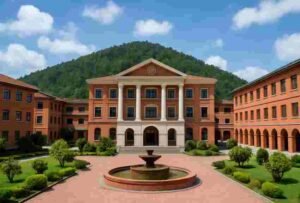
Kathmandu Medical College: Courses, Admission, Ranking & Campus Life

Mid-Western University: Courses, Admission, Ranking & Campus Life

Purbanchal University: Courses, Admission, Ranking & Campus Life
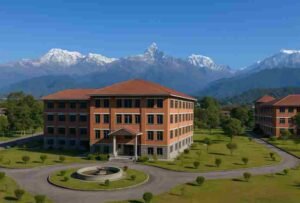
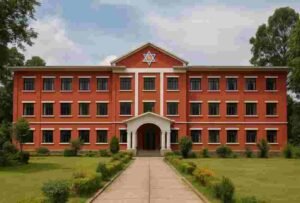
Tribhuvan University: Courses, Admission, Ranking & Campus Life 2026
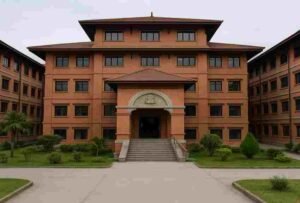
Patan Academy of Health Sciences (PAHS): Courses, Admission, Fees, Ranking & Campus Life
Frequently Asked Questions
Nepal has a low cost of living compared to many other countries in the world. It is very cheap in cost than Western countries and India. This is why this is a good place to stay and live.
As of 2023, 15,000 students from India, China, Bhutan, Sri Lanka, and African nations come to study in Nepal.
The best intakes are from February-March and in August-September, which are known as Spring Intake and Fall Intake, respectively. Winter Intake is also chosen by many students with is less popular compared to the above two intakes. It usually starts in the month of December.
It very much depends on the course. MBBS is widely popular here, and for this, you need to pay between INR 20,000 and 30,000 annually.
It depends on the type and the area of accommodation you choose. Hostel fees are INR 70,000 to 1,00,000 per year. For a 1-Bedroom Apartment, you need to pay INR 6,500/month. Other than rent, the cost of living in Nepal may be ₹30,000-₹35,000.
Yes, a student visa is required in Nepal. However, Indian citizens don’t need a visa when they have to visit Nepal for a short time, but for studies for a long term, you definitely need a student visa.
It depends upon the duration of your stay. Usually, you can find a visa between INR 10,000 and INR 30,000 annually.
Yes, the medium of instruction in most of the courses in Nepal is English. Therefore, it is necessary for you to have a good command of English. Some institutions may also ask for the certifications of IELTS or TOEFL.
Medical courses are most popular in Nepal without a second thought. Besides, Hospitality & Tourism, Social Sciences, Engineering, and Information Technology have gained widespread popularity.
Some of the best cities to study in Nepal are Kathmandu, Pokhara, Lalitpur, Bharatpur, and Biratnagar.
Some best universities to study in Nepal are Tribhuvan University, Kathmandu University, Pokhara University, Purbanchal University, and Agricultural and Forestry University.