

Manchester Metropolitan University offers practical, career-focused education with a 60–65% acceptance rate. Known for business, engineering, computer science and design programs, it provides affordable tuition, scholarships and strong employability, making it a popular choice for Indian students applying for 2026 intake.
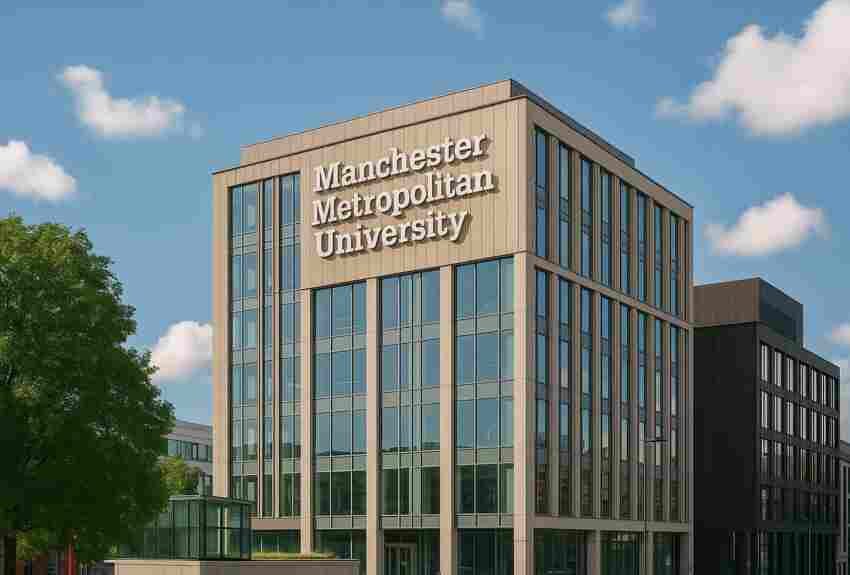
Manchester Metropolitan University (MMU), located in Manchester —one of the UK’s most student-friendly cities—is a modern public university known for its affordable education, strong industry partnerships, and diverse international community. With high employability rates, practical learning, and career-focused programs, MMU is a great choice for Indian students looking to study abroad in 2026.
It is particularly recognised for programs in Business, Computer Science, Engineering, Art & Design, Health Sciences, and Hospitality, offering both undergraduate and postgraduate degrees with real-world applications.
Why Choose Manchester Metropolitan University?
Manchester Metropolitan University is ideal for students looking for practical education and strong job placement. Key advantages include:
- High acceptance rate (60–65%) compared to top UK universities
- Affordable tuition and lower living costs than London
- Located in Manchester, the UK’s second-largest student city
- Excellent for Business, Computer Science, Engineering & Creative Degrees
- Strong links with employers like IBM, Adidas, Deloitte, BBC, Jaguar Land Rover
University Overview for International Students (2026)
| Feature | Details |
| Location | Manchester, England |
| Type | Public University |
| QS World Ranking 2025 | #601–650 |
| THE Impact Ranking (Sustainability) | Top 100 |
| Acceptance Rate | 60–65% |
| International Students | 5,000+ from 100+ countries |
| Average Tuition | £16,000–£19,500/year |
| Cost of Living | £10,000–£13,000/year |
| Employability Rate | 82% within 6 months |
| Part-Time Work | 20 hours/week permitted |
| Popular Intake | September 2026 |
MMU is considered one of the most accessible UK universities for international students, with industry-ready programs and flexible entry pathways.
Top Courses at Manchester Metropolitan University 2026
| Subject Area | Popular Programs |
| Business & Management | MBA, International Business, Digital Marketing |
| IT & Computer Science | AI, Cyber Security, Software Engineering |
| Engineering | Mechanical, Automotive, Electrical |
| Art & Design | Fashion, Graphic Design, Media Production |
| Health Sciences | Physiotherapy, Nursing |
| Hospitality & Tourism | International Tourism Management |
| Education & Psychology | Early Childhood Studies, Applied Psychology |
MMU is highly recognised for Fashion and Art, ranking among the top European institutions in creative fields.
Acceptance Rate & Admission Requirements
The acceptance rate at Manchester Metropolitan University is 60–65%, making it easier for international students to apply compared to more competitive universities like Manchester or UCL.
Undergraduate Requirements
| Criteria | Minimum Requirement |
| Class 12 (CBSE/ICSE) | 60–70% |
| IELTS | 6.0 (no band < 5.5) |
| MOI | Accepted in select cases |
| Portfolio | Required for design courses |
Postgraduate Requirements
| Criteria | Minimum Requirement |
| Bachelor’s Degree | 55–60% |
| IELTS | 6.5 (no band < 6.0) |
| Work Experience | Preferred for MBA |
| SOP & LORs | Mandatory |
International Foundation & Pre-Master pathways are available for students who do not meet direct entry requirements.
Tuition Fees & Cost of Living (2026)
Annual Tuition Fees (GBP)
| Program Type | Fees |
| Undergraduate | £16,000–£18,000 |
| Postgraduate | £17,000–£19,500 |
| MBA | £19,500–£22,000 |
Estimated Living Cost (Per Year)
| Expense | Cost |
| Accommodation | £6,000–£9,000 |
| Food & Utilities | £2,500–£3,200 |
| Transport | £800–£1,100 |
| Miscellaneous | £1,000–£2,000 |
Total estimated budget: £26,000–£31,000/year (₹26–31 Lakhs)
Scholarships for Indian Students
| Scholarship | Amount |
| International Merit Scholarship | £1,000–£3,000 |
| Vice-Chancellor’s Scholarship | Up to £5,000 |
| Postgraduate Global Excellence Award | Up to £3,000 |
Students with strong academic scores and early applications have higher chances of receiving scholarships.
Accommodation Options
| Type | Estimated Cost |
| University Halls | £6,000–£8,500/year |
| Private Shared Housing | £4,500–£6,500 |
| Studio Apartments | £9,000–£12,000 |
On-campus accommodation is guaranteed for first-year international students if applied early.
Career & Job Opportunities
Manchester is a thriving business and tech hub in the UK. MMU graduates frequently work with:
| Industry | Top Employers |
| Business & Consulting | Deloitte, KPMG, PwC |
| Tech & AI | Amazon, IBM, Microsoft |
| Automotive | Jaguar Land Rover |
| Media & Creative | BBC, ITV |
| Fashion | Adidas, Burberry |
| Healthcare | NHS, Bupa |
Average salary after graduation: £28,000–£42,000/year
Conclusion
Manchester Metropolitan University is an excellent option for Indian students seeking affordable UK education, practical learning, and high job relevance. With its flexible admission criteria, strong industry presence and location in one of the UK’s leading student cities, MMU offers a great balance between costs and career outcomes.
Planning to Study at Manchester Metropolitan University?
Stubard helps students with:
- Course & university selection
- Application & documentation
- Scholarship maximisation
- UK student visa support
- Guaranteed student accommodation
Book your free study abroad counselling session now and start your 2026 UK journey with confidence!
FAQs
1. What is the acceptance rate at Manchester Metropolitan University?
The acceptance rate is around 60–65%, making it one of the more accessible universities in the UK for international students.
2. Is Manchester Metropolitan University good for international students?
Yes. MMU offers industry-focused courses, lower tuition costs, diverse student support and excellent part-time job opportunities in Manchester.
3. What are the most popular courses at MMU?
Top programs include Business, Computer Science, Mechanical Engineering, Cyber Security, Fashion Design, Nursing and Hospitality Management.
4. How much does it cost to study at Manchester Metropolitan University?
Tuition fees range from £16,000 to £19,500 per year, with an additional £10,000–£13,000 for living expenses.
5. Does Manchester Metropolitan University offer scholarships?
Yes. Students can receive £1,000–£5,000 in scholarships, depending on academic performance and application timing.
6. What is the IELTS requirement for Manchester Metropolitan University?
Most programs require IELTS 6.0 overall with no band below 5.5. Some postgraduate courses may ask for 6.5.
7. How can I apply to Manchester Metropolitan University from India?
Indian students can apply via the UCAS portal (UG) or directly on the university website (PG) by submitting academic documents, SOP, IELTS score and LORs.
8. Can international students work part-time in Manchester?
Yes. Students can work up to 20 hours per week during term and full-time during holidays on a UK student visa.
9. Is Manchester a good city for international students?
Manchester is one of the most affordable and student-friendly cities in the UK, with excellent transport, nightlife and job opportunities.
10. What are the eligibility criteria for admission?
Undergraduates need 60–70% in Class 12, while postgraduates generally need 55–60% in a bachelor’s degree.
11. What are the best-paying sectors after graduating from MMU?
Graduates secure jobs in business, engineering, tech, digital marketing and healthcare, with salaries ranging from £28,000–£42,000 annually.
12. What is the cost of accommodation near MMU?
University halls cost £6,000–£8,500 per year, while private housing ranges from £4,500–£6,500.
13. Does MMU accept MOI instead of IELTS?
Yes, some programs accept the Medium of Instruction (MOI) as an English proof, but an IELTS score is still preferred for the visa process.
14. Does MMU offer foundation or pathway programs?
Yes. MMU offers International Foundation and Pre-Master’s programs for students who do not meet direct entry requirements.